
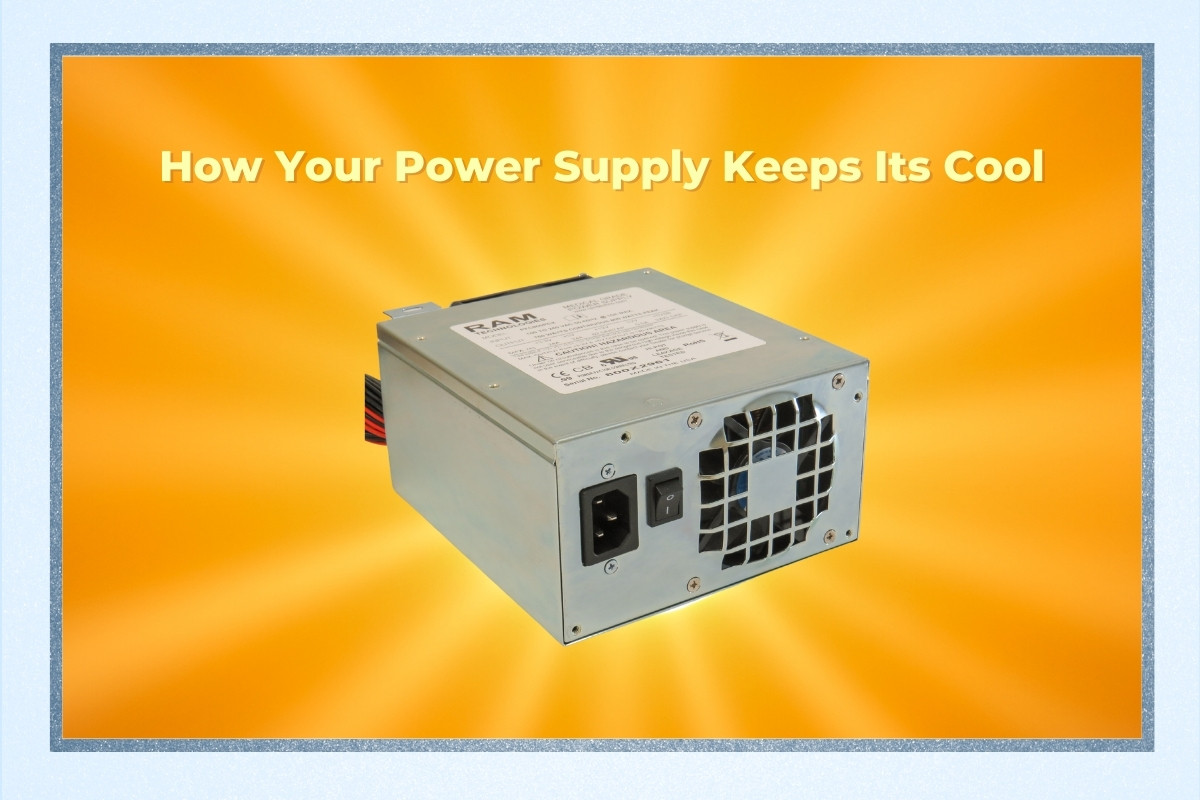
As a natural part of AC-to-DC conversion, power enters a power supply and exits as conditioned power plus waste heat. Too much heat can be a real problem; it can shorten the power supply’s lifespan, damage components, and even cause a fire. PC-based power supplies come with a range of features to help beat the heat.
When choosing the right power supply for your medical device, thermal management is a critical factor that directly impacts reliability, patient safety, and long-term performance. RAM Technologies designs and manufactures its power supplies in Connecticut, USA, with full compliance with the most current medical safety standards, IEC/ES 60601-1 3.2, and offers responsive engineering support and custom thermal solutions to meet the unique demands of medical OEMs.
Here are some things to look for in terms of power supply thermal management.
Operating Temperature Range for Electronics
Electronic devices are not usually run at the perfect temperature for their power supplies. The supplies, instead, need to run within a range of ambient temperatures. The maximum operating temperature is a critical specification that determines whether a power supply can reliably function in its intended environment.
The ATX standard recommends an operating ambient temperature range of +10°C to +50°C (under specific test conditions). The IEC 60601-1 Edition 3.2 standard calls for +10°C to +40°C.
In addition, IEC 60601-1 Edition 3.2 calls for protecting patients and medical device operators with a safe maximum temperature for any part of its external chassis that could be touched. This patient safety requirement is one of the key distinctions between commercial and medical-grade power supplies.
Keep in mind that a wider temperature rating often requires more aggressive cooling, which typically increases fan noise; a direct tradeoff between thermal performance and acoustic comfort. The temperature difference between the power supply and its environment drives the rate of heat transfer; a larger difference enables more efficient cooling.
Thermal Management: Heat Dissipation Strategies
There are several thermal management methods that can be used to keep the power supply sufficiently cool. Effective temperature control requires a combination of design strategies and active cooling technologies.
Reduce Waste
The most efficient means is by not generating the waste heat in the first place. Less cooling is needed for higher-efficiency power supplies. This must be balanced, however, by other design factors like reliable power and EMI protection.
It also introduces a three-way tradeoff: higher efficiency reduces heat, which allows slower fans (lower noise) and cooler components (better reliability), but chasing maximum efficiency can sometimes increase cost or complexity.
It will also help to run the power supply below its full rated load (around 80% or less). This approach reduces the amount of heat that must be dissipated and extends the lifespan of electronic components.
Understanding Heat Transfer at a Glance
Heat moves away from power supply components through three primary mechanisms: radiation, conduction, and convection. Each of these plays a role in the overall thermal design:
- Radiation transfers energy as electromagnetic waves without direct contact between source and surrounding materials.
- Conduction transfers heat through direct physical contact between materials; thermal conductivity determines how effectively this occurs. Materials like copper and aluminum are widely used in heatsinks and thermal interface materials to draw heat away from critical components.
- Convection moves heat via fluid motion. Warmed air rises and is replaced by cooler air. Heatsinks maximize surface area in contact with surrounding air to leverage convection, and fans actively drive this process.
When the power supply reaches thermal equilibrium, the rate of heat generation equals the rate of heat dissipation, ensuring stable operating temperatures. The remainder of this section focuses on the practical design choices that influence this balance.
Passive Cooling
Passive cooling uses the natural tendency of warmer, lighter fluid to rise and cooler, denser fluid to sink. Large, open vents on the chassis, careful placement of the components, and unobstructed airflow around the supply allow the warmed air to dissipate. Larger vents, however, must be balanced against the need for EMI shielding.
Passive cooling is often preferred in medical devices where acoustic noise must be minimized. In exam rooms, surgical suites, and other patient environments, there are often strict noise limits. However, there’s a trade-off. Passive-only thermal designs need careful engineering to ensure that heat dissipation is adequate. In medical environments, a hybrid approach can help deliver a balance between quiet operation and thermal headroom. This involves passive cooling supplemented by intelligently managed active cooling.
Air Cooling and Fan Design
Active air cooling uses one or more fans to force warmed air away from the supply. This lets you run it in higher ambient temperatures without overheating. You’ll want to consider the following with active air cooling and fan design:
- Fan size and placement: Larger fans can move the same volume of air at lower rotational speeds, reducing noise. Proper positioning ensures air is drawn over the hottest components rather than passing through “dead zones” that leave localized hot spots unchecked.
- Airflow path design: Unobstructed intake and exhaust paths prevent recirculation of warm air within the enclosure. Strategic component placement that keeps heat-generating elements aligned with the primary air flow direction can improve thermal distribution.
- Acoustic considerations: While fans dramatically improve heat dissipation, they introduce mechanical noise. This is a central consideration in medical device design, where excess acoustic noise can interfere with patient comfort, clinical communication, or regulatory compliance. Slower fan speeds, acoustically optimized blade designs, and vibration-damping mounts all contribute to quieter operation.
Look for a fan with a good acoustic design, a larger fan that will operate more slowly, and a thermally sensitive fan controller (like RAM’s low-noise Smart Fan Technology) to adjust fan speeds to just what’s needed to keep within temperature specifications. These thermal management strategies balance cooling performance with acoustic comfort.
Running fans faster boosts thermal headroom for high-load operation but increases noise and accelerates bearing wear, while running them slower preserves acoustics and fan lifespan but may require de-rating the supply in hotter environments.
Dual-Fan Redundancy
For medical devices where uptime is critical, like life-support equipment, surgical instrumentation, or any application where a power supply failure poses risk to patient safety, dual-fan configurations provide an added layer of protection.
In a dual-fan redundancy setup, two fans share the cooling workload under normal conditions, each running at a lower speed than a single fan would require. This delivers two key advantages:
- Fault tolerance: If one fan fails, the second fan can compensate, often at increased speed, maintaining sufficient airflow to keep the supply within safe operating temperatures. This prevents immediate shutdown and allows scheduled maintenance or graceful degradation rather than sudden failure.
- Lower acoustic profile: Because each fan handles only a portion of the total cooling load, both can operate more quietly than a single high-speed fan performing the same work.
Dual-fan designs should be integrated with Smart Fan Technology for optimal results, allowing the system to detect a fan fault and adjust the surviving fan’s speed automatically to compensate.
Airflow Considerations and Enclosure Design
Thermal management concerns more than the power supply. The way the power supply is integrated into the medical device also has a significant impact on how well it will perform. Well-designed power supplies can struggle if enclosures restrict airflow or trap heat.
Key enclosure design considerations include:
- Intake and exhaust path planning: The enclosure must provide clear, dedicated paths for cool air to enter and warm air to exit. Mixing intake and exhaust zones leads to recirculation, where the supply begins drawing in its own heated exhaust air, raising the effective ambient temperature and reducing thermal margin.
- Component placement relative to airflow: Heat-sensitive components within the device should be positioned upstream of major heat sources so they receive the coolest incoming air. Power supplies themselves should be placed to avoid receiving preheated air from other internal components like processors or displays.
- Vent sizing and EMI shielding balance: Larger ventilation openings improve airflow but can compromise EMI shielding integrity. Mesh-backed vents, louvered designs, and conductive gaskets can help maintain shielding effectiveness without overly restricting airflow.
- Cable and harness routing: Internal cabling that obstructs the primary airflow path creates turbulence and dead zones, reducing effective cooling. Custom cable routing preserves clear airflow lanes from intake to exhaust.
- Enclosure material and surface finish: Metallic enclosures can serve as secondary heat sinks, conducting and radiating heat away from internal components. Matte or emissive surface finishes improve radiative heat transfer compared to polished, reflective surfaces.
RAM Technologies works directly with OEM engineers to integrate all of these considerations into the device design from the earliest stages, offering custom mechanical layouts, specialized heatsink configurations, and tailored cable routing that optimize thermal performance within each device’s unique spatial constraints.
Over-Temperature Protection
Power supplies dissipate heat as needed under normal operating conditions by design. Still, there are some situations — like a power surge, faulty components, blocked ventilation, or very high temperature conditions — that can cause a power supply to go into an overheated state. Look for the Over-Temperature Protection (OTP) feature, which shuts down a power supply if the internal temperature goes over a specified value. This protection mechanism is critical for the safety of equipment and the patients who depend on it.
Product Information and Selection: Beat the Heat with the Right Power Supply
While some waste thermal energy in the form of heat is inevitable in an AC/DC power supply, power supply thermal management can be successful with careful design and quality parts, backed up with over-temperature protection for any unplanned events.
The operating temperature for RAM Technologies power supplies is 0 to 50°C, and they are designed with robust thermal management solutions like our exclusive Smart Fan Technology, which monitors and adjusts fan speed to only what is needed. This significantly reduces fan noise in typical operating conditions (from 43dBA to 20dBA, typically).
The RAM Technologies Advantage
When selecting a power supply for your medical device, thermal management is just one piece of the puzzle. RAM Technologies offers several advantages for medical OEMs seeking a reliable, customizable medical power supply.
U.S.-Based Manufacturing and Quality Control
All RAM Technologies power supplies are proudly assembled, tested, and manufactured in Connecticut, USA. This domestic manufacturing footprint ensures rigorous quality control at every stage of production and provides the supply chain transparency and reliability that medical device manufacturers require. By keeping production within the United States, we eliminate the uncertainty often associated with overseas sourcing, including shipping delays, tariff fluctuations, and communication barriers, while maintaining direct oversight of component sourcing, assembly, and final testing.
Custom Thermal and Mechanical Solutions
Every medical device has unique spatial constraints and thermal requirements. RAM Technologies works directly with OEM engineers to develop custom power supply thermal management solutions that address specific thermal challenges. We routinely customize:
- Cable and harness designs
- Connector configurations
- Output requirements
- Other power supply integration needs
Unlike larger manufacturers focused primarily on high-volume commercial runs, we routinely accommodate short-run custom orders, often with no additional cost, giving you the flexibility to optimize your device design without being constrained by off-the-shelf limitations.
Responsive Engineering Support
Medical device development schedules rarely allow months of delay. RAM Technologies understands this urgency and provides direct access to experienced OEM engineering support for rapid evaluation of your thermal and integration requirements. Our team engages early in your design cycle to deliver solutions that fit your device’s specific needs, without the long lead times typical of larger, less focused suppliers.
Regulatory Compliance: IEC 60601-1 Edition 3.2
RAM Technologies’ power supplies are fully compliant with IEC 60601-1 Edition 3.2 — the most current internationally recognized standard for medical electrical equipment. When you choose a power supply that already holds certification to Edition 3.2, certification bodies can reference and accept our existing test data during your system-level evaluation, potentially eliminating redundant testing and shortening your overall time to market.
Long-Term Product Availability
We guarantee that your power supply will remain available for as long as your product requires it, with no End-of-Life (EOL) notices. This commitment to long-term support protects you from the costly and time-consuming requalification process that occurs when components become obsolete.
________________________
The operating temperature for RAM Technologies power supplies is 0 to 50°C and they are designed with robust thermal management like our exclusive Smart Fan Technology, which monitors and adjusts fan speed to only what is needed. This significantly reduces fan noise in typical operating conditions (from 43dBA to 20dBA, typically). Contact us for details.